 Image 1 of 5
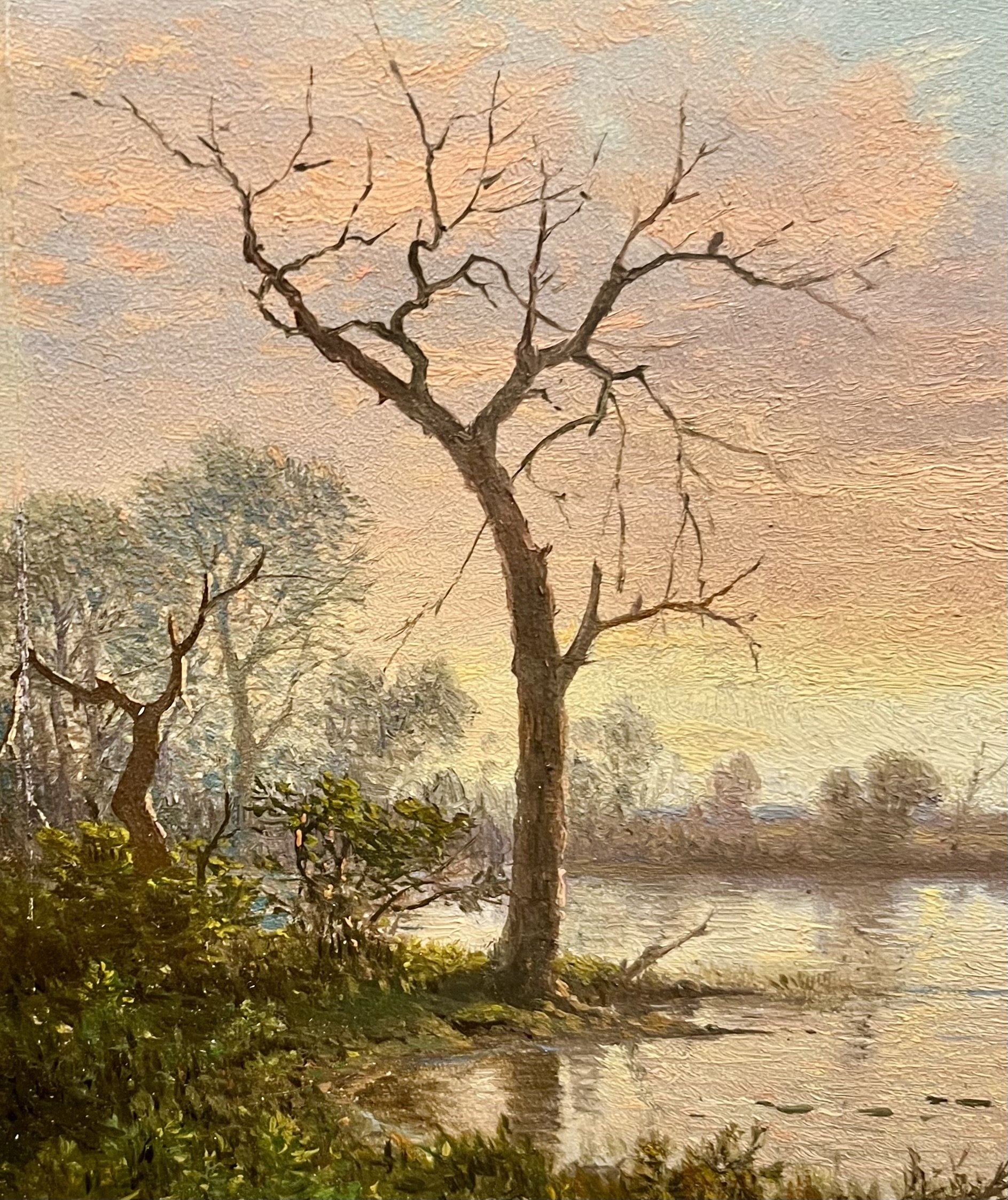 Image 2 of 5
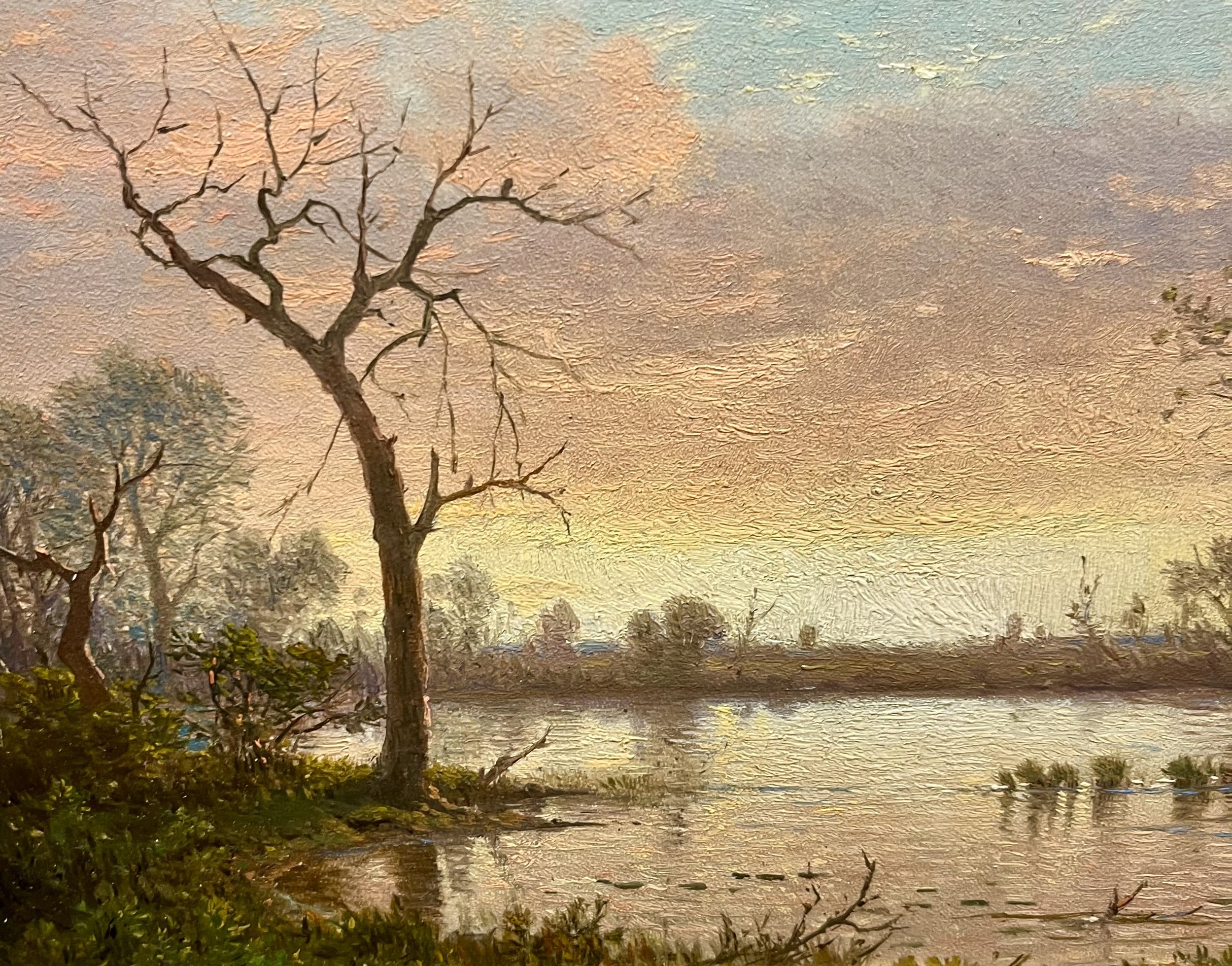 Image 3 of 5
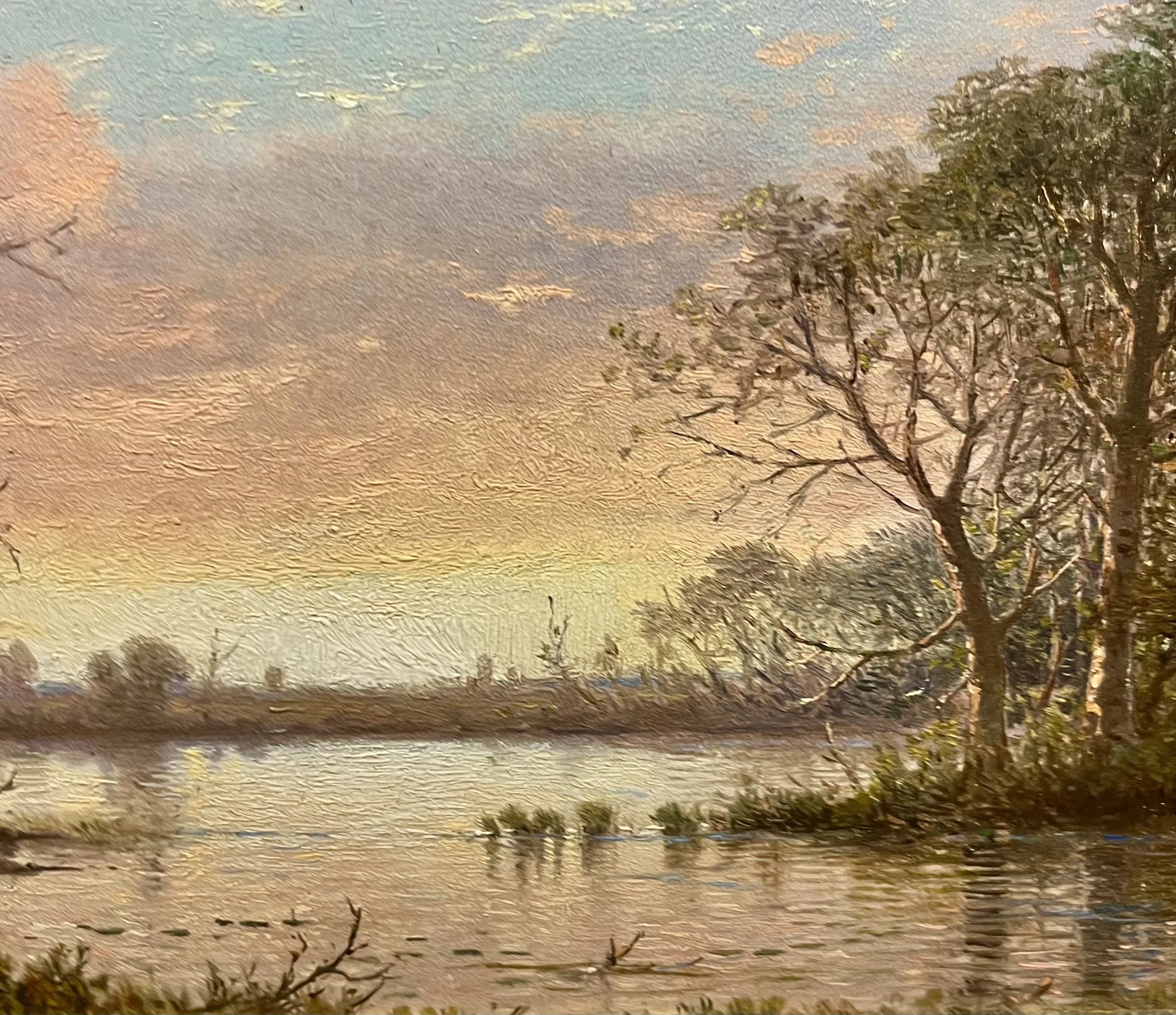 Image 4 of 5
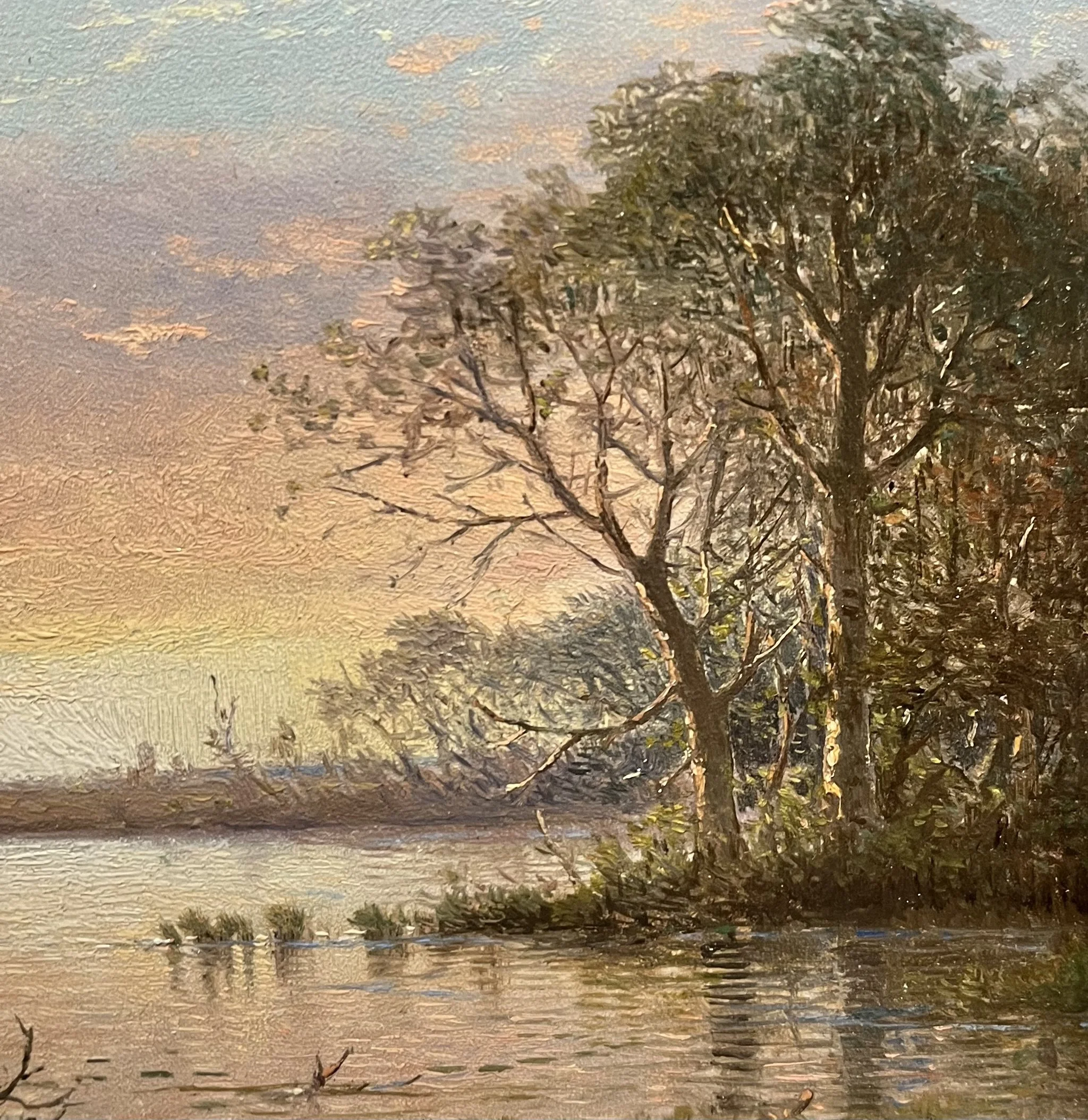 Image 5 of 5
Artist: William Stanley Hassletein
Year: c. 1860s
Medium: Oil on Board
Dimensions: 6 × 10.5 inches
Style: Hudson River School
Period: Mid 19th Century
Condition: Excellent
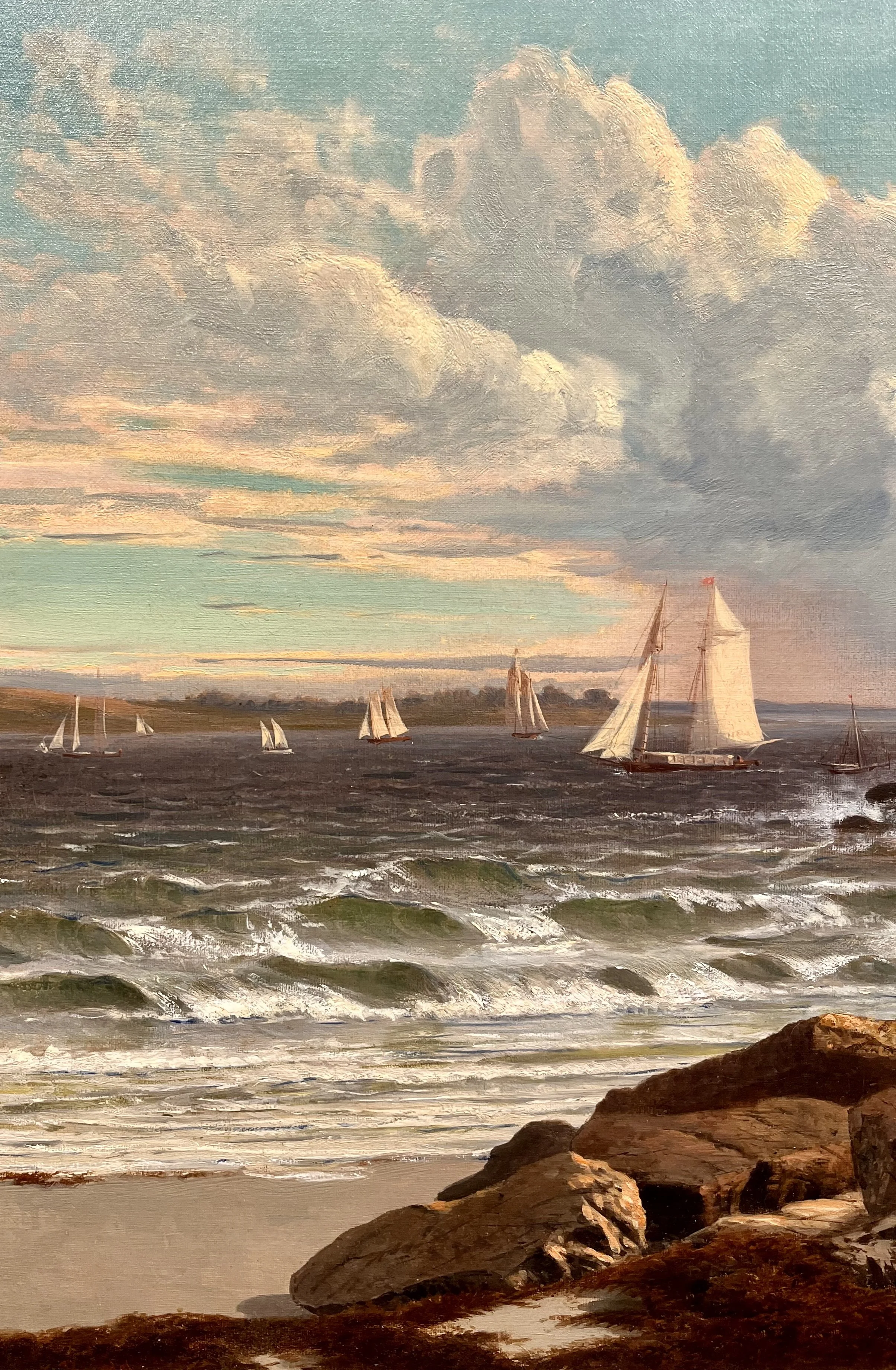
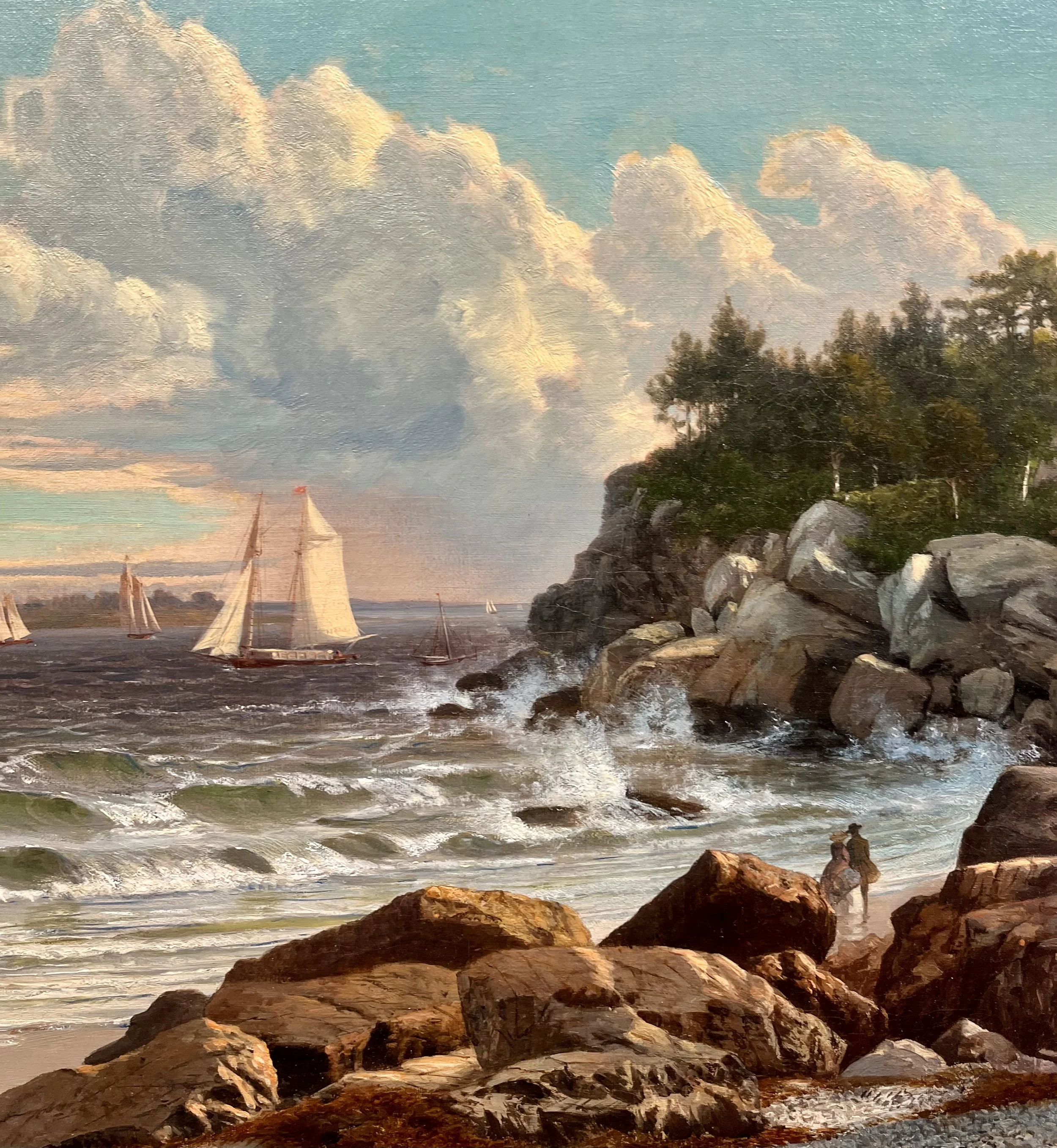
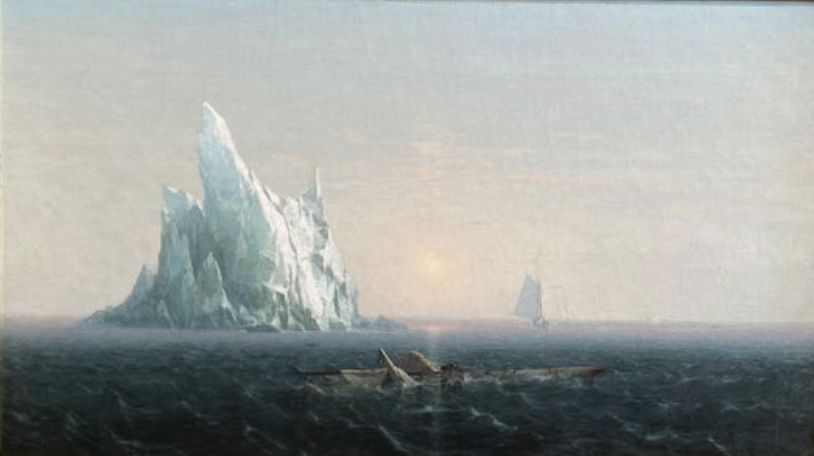
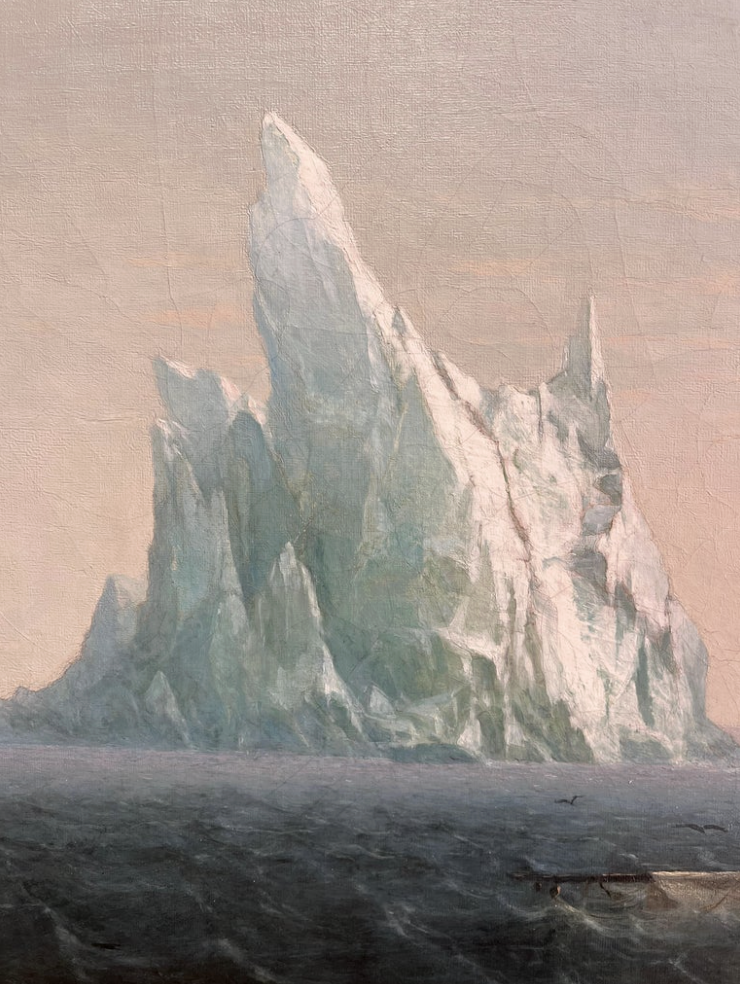
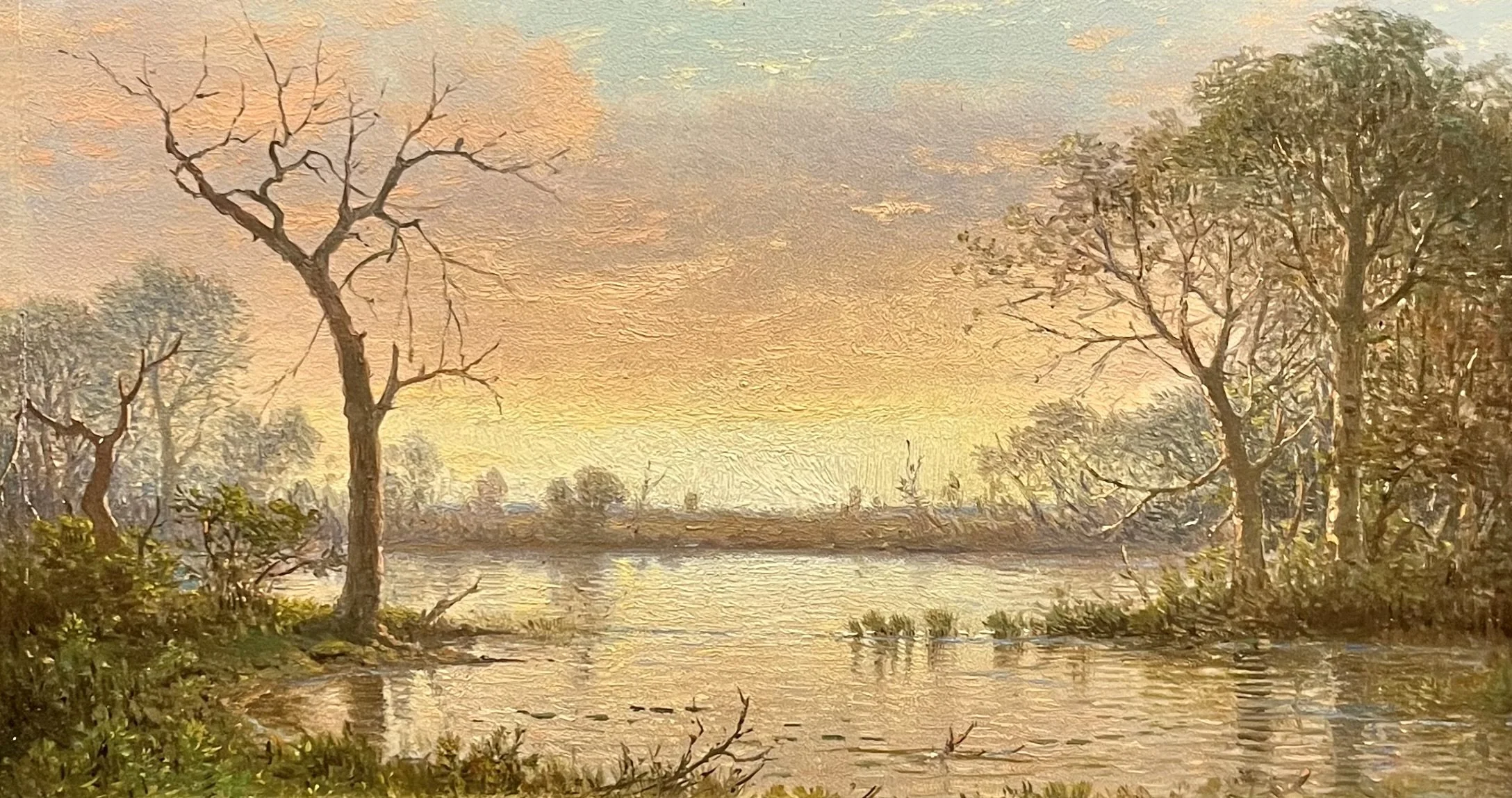
Description: William Stanley Haseltine’s Marsh in Massachusetts, painted circa 1860s, is a refined and atmospheric oil on board that captures the quiet poetry of the New England landscape. Measuring 6 by 10.5 inches, the work demonstrates Haseltine’s exceptional sensitivity to light, structure, and natural form. A calm marsh stretches across the foreground, its still waters reflecting the warm glow of a fading sky. Bare trees rise in elegant silhouette against soft bands of peach, gold, and pale blue, evoking the hush of late afternoon or early evening.
Haseltine’s careful draftsmanship is evident in the delicate articulation of branches and shoreline, while subtle tonal shifts create depth and serenity. The composition balances intimacy and expansiveness, characteristic of his early American landscape work. Though unsigned, the painting is confidently attributed and agreed upon by Michael Meyer, art scholar. Details available upon inquiry.
Artist: William Stanley Hassletein
Year: c. 1860s
Medium: Oil on Board
Dimensions: 6 × 10.5 inches
Style: Hudson River School
Period: Mid 19th Century
Condition: Excellent
Description: William Stanley Haseltine’s Marsh in Massachusetts, painted circa 1860s, is a refined and atmospheric oil on board that captures the quiet poetry of the New England landscape. Measuring 6 by 10.5 inches, the work demonstrates Haseltine’s exceptional sensitivity to light, structure, and natural form. A calm marsh stretches across the foreground, its still waters reflecting the warm glow of a fading sky. Bare trees rise in elegant silhouette against soft bands of peach, gold, and pale blue, evoking the hush of late afternoon or early evening.
Haseltine’s careful draftsmanship is evident in the delicate articulation of branches and shoreline, while subtle tonal shifts create depth and serenity. The composition balances intimacy and expansiveness, characteristic of his early American landscape work. Though unsigned, the painting is confidently attributed and agreed upon by Michael Meyer, art scholar. Details available upon inquiry.