Artist: Francis William Edmunds
Year: 1860
Medium: Oil on Canvas
Dimensions: 17 × 17 inches
Style: Hudson River School, Figurative
Period: Mid 19th Century
Condition: Excellent
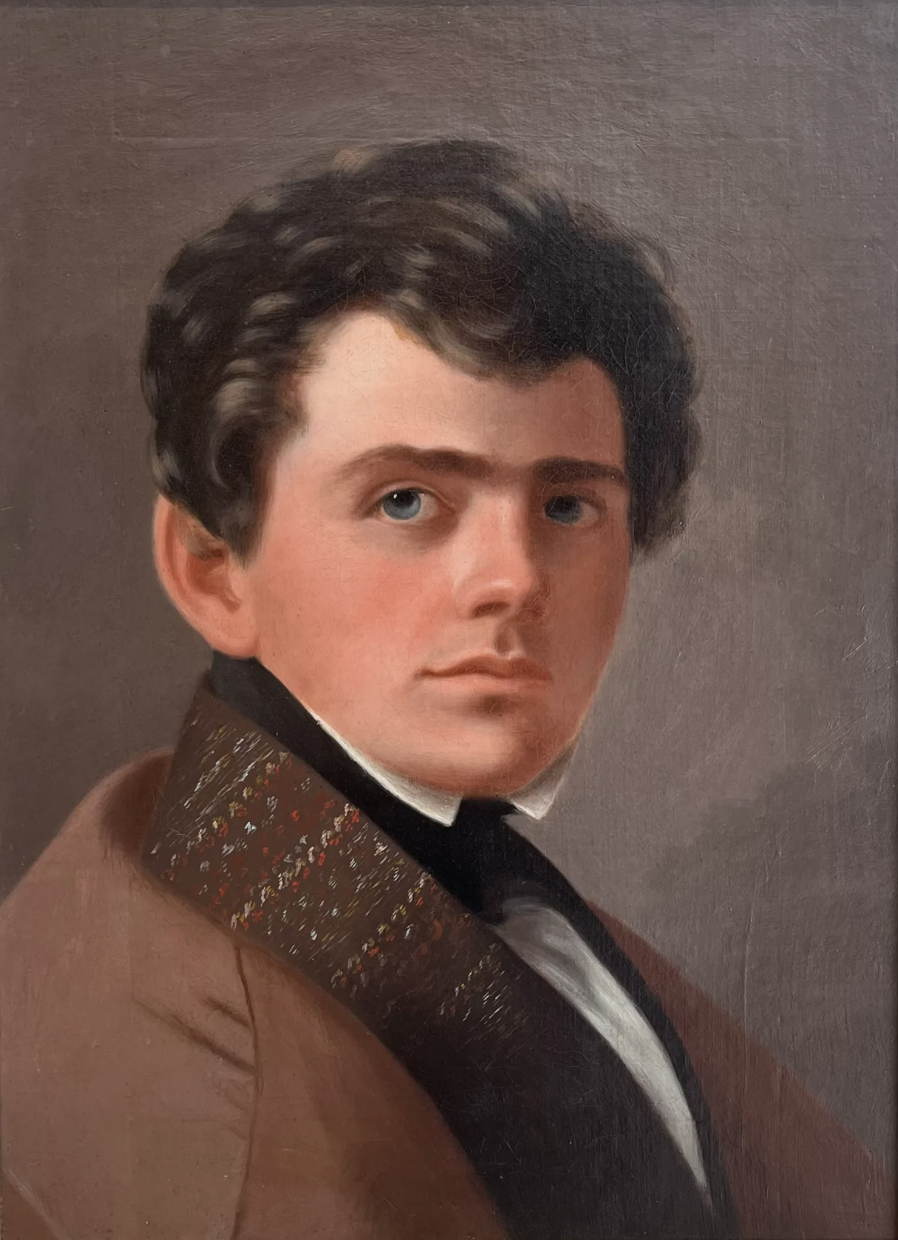
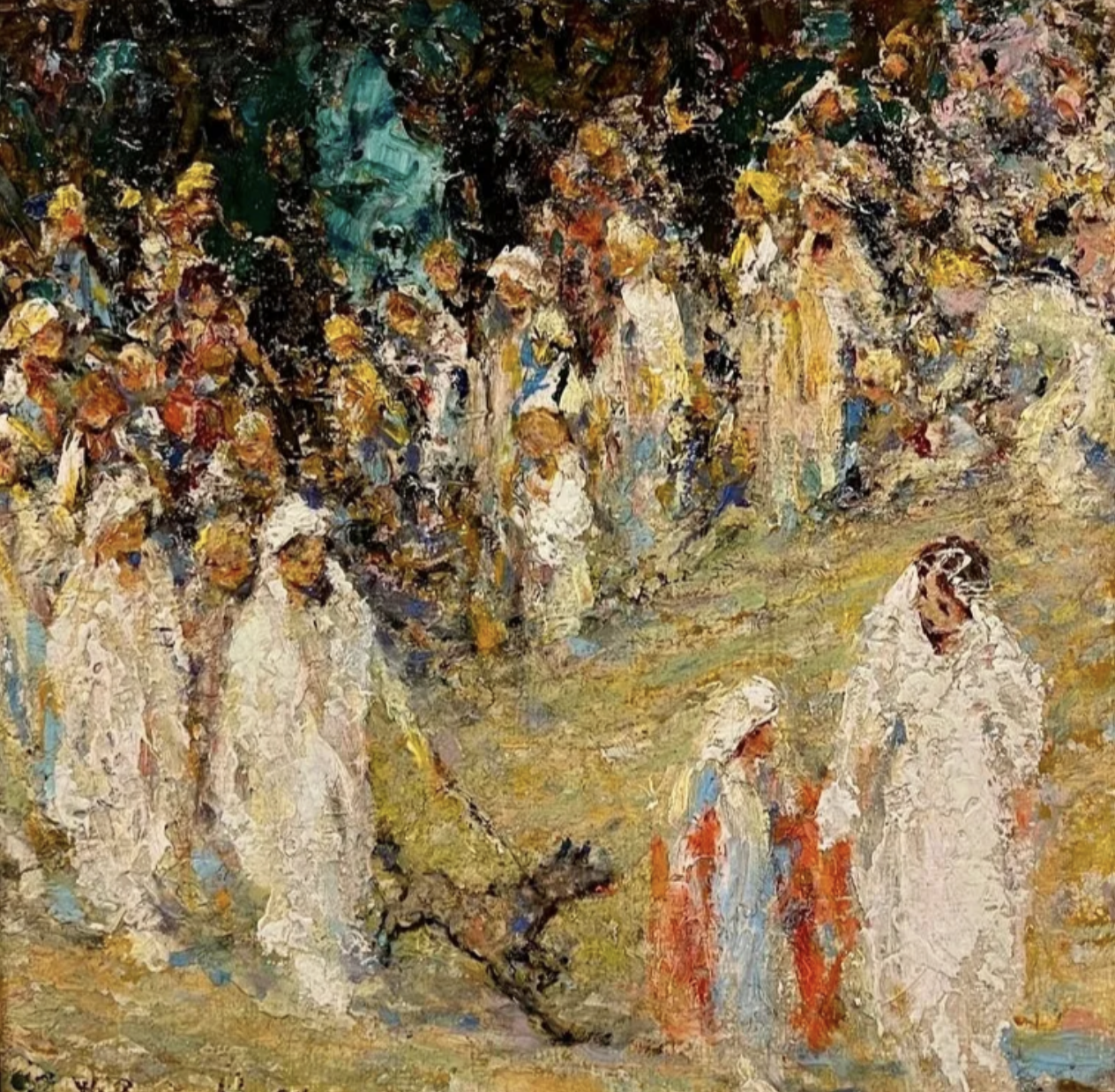
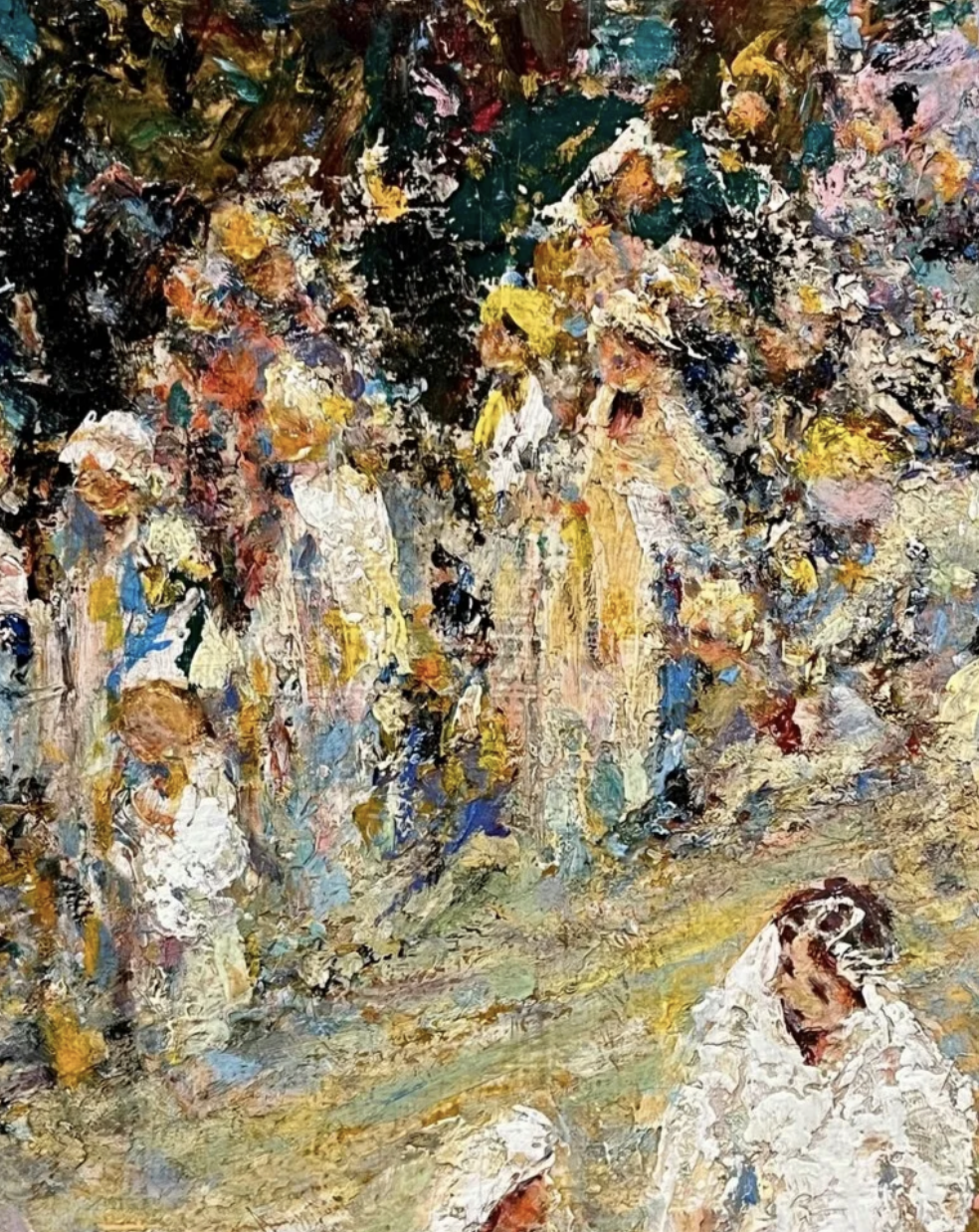
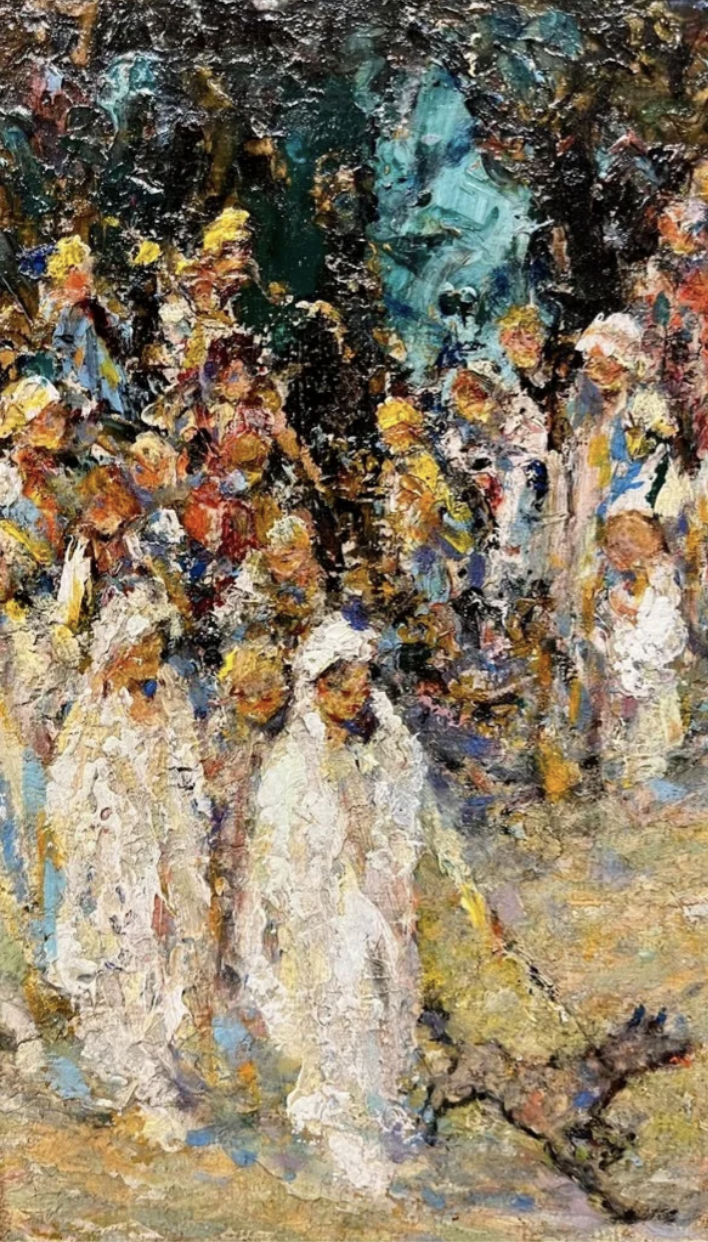
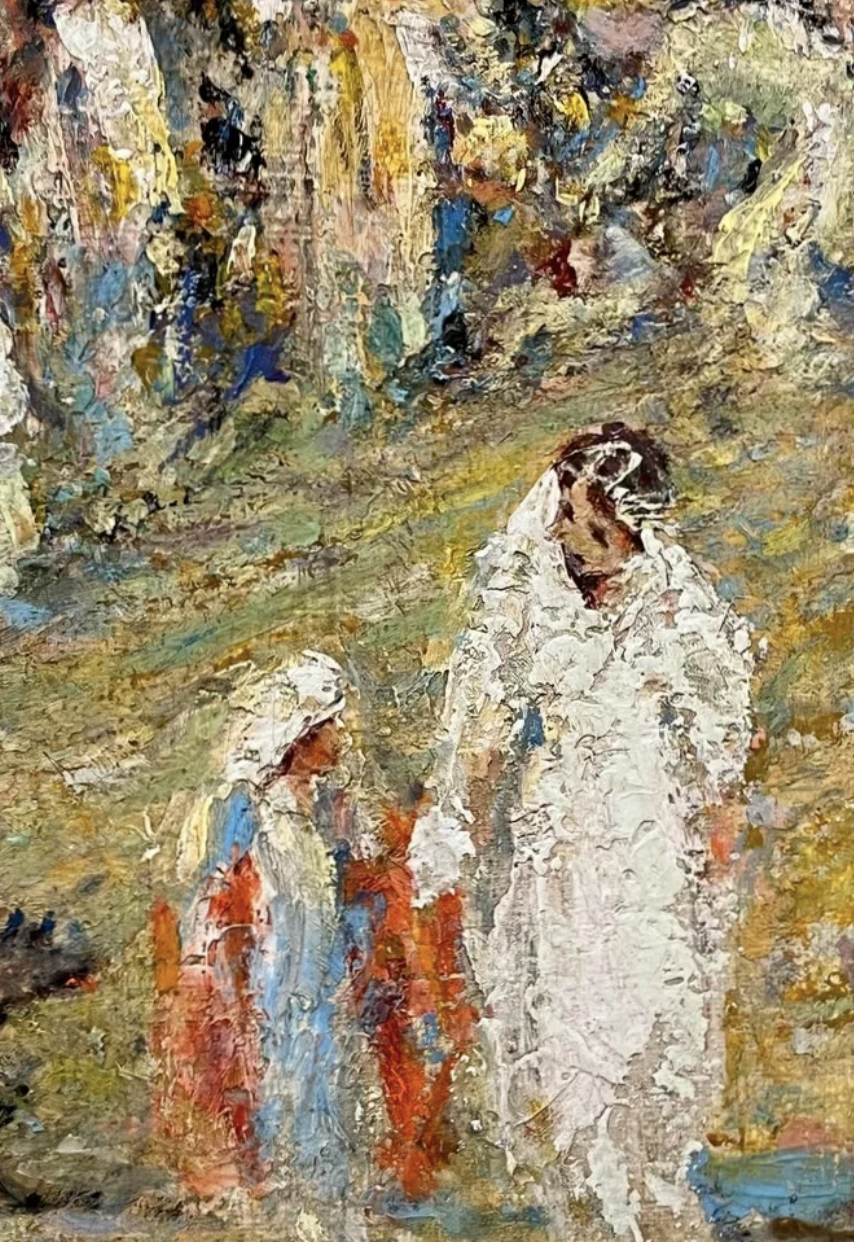
Description: This evocative interior scene by Francis William Edmonds functions as a quiet yet powerful meditation on slavery, secrecy, and moral resistance in 19th-century America. At first glance, the painting presents a humble domestic interior anchored by a hearth, a traditional symbol of warmth and safety. Yet Edmonds complicates this familiarity through subtle narrative tension. The grandmother and child, positioned close together, appear hesitant and alert, their body language and expressions suggesting a shared awareness of danger. Their gestures seem almost to caution the viewer to remain silent, implicating us in the secrecy of the moment.
Above them, the small lofted area in the upper right hints at hidden living quarters, possibly sheltering someone in flight. This architectural detail strongly suggests connections to the Underground Railroad, where ordinary homes became sites of extraordinary courage. Edmonds further heightens the symbolism through the deliberate focus on three small pebbles scattered on the floor, a seemingly insignificant detail that invites interpretation as coded markers or silent witnesses to movement and passage.
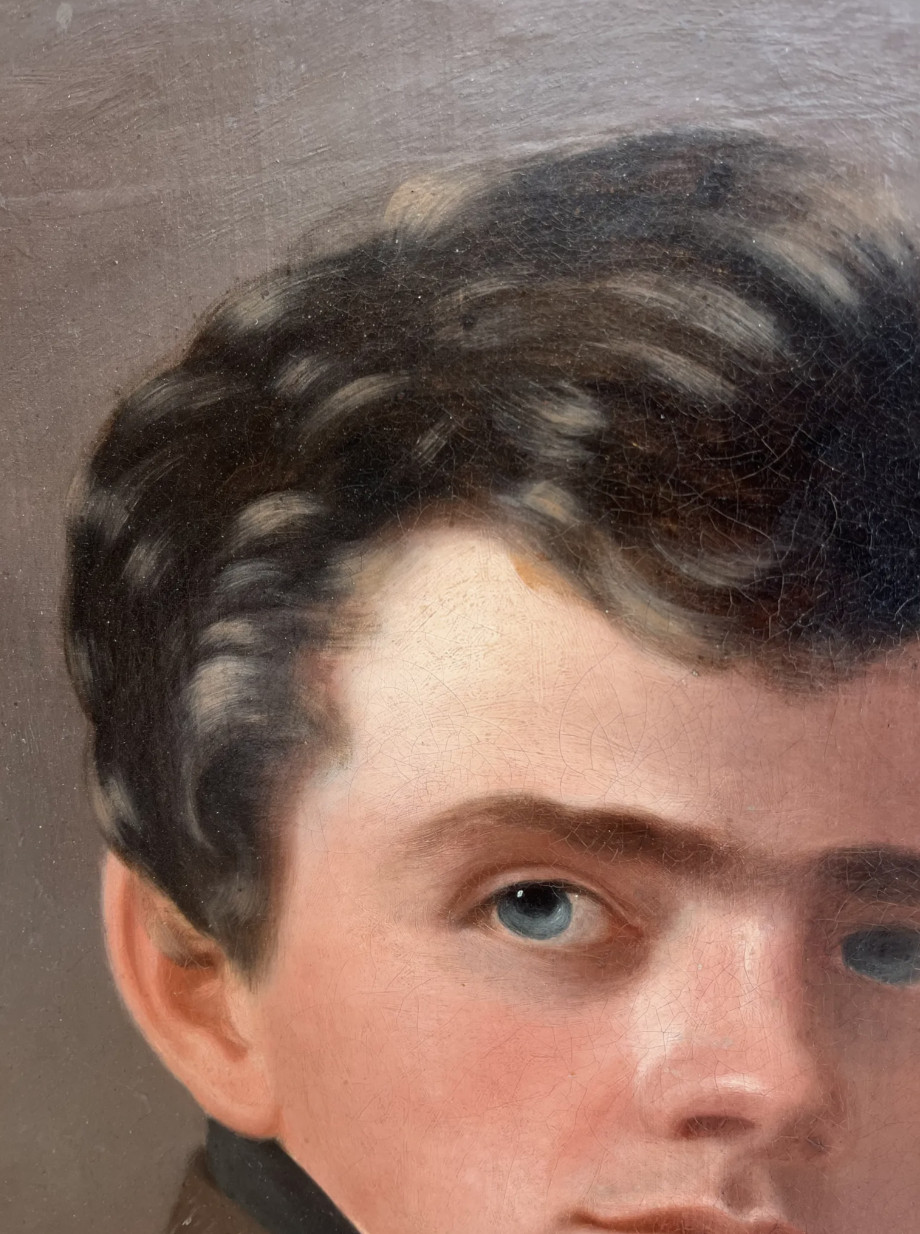
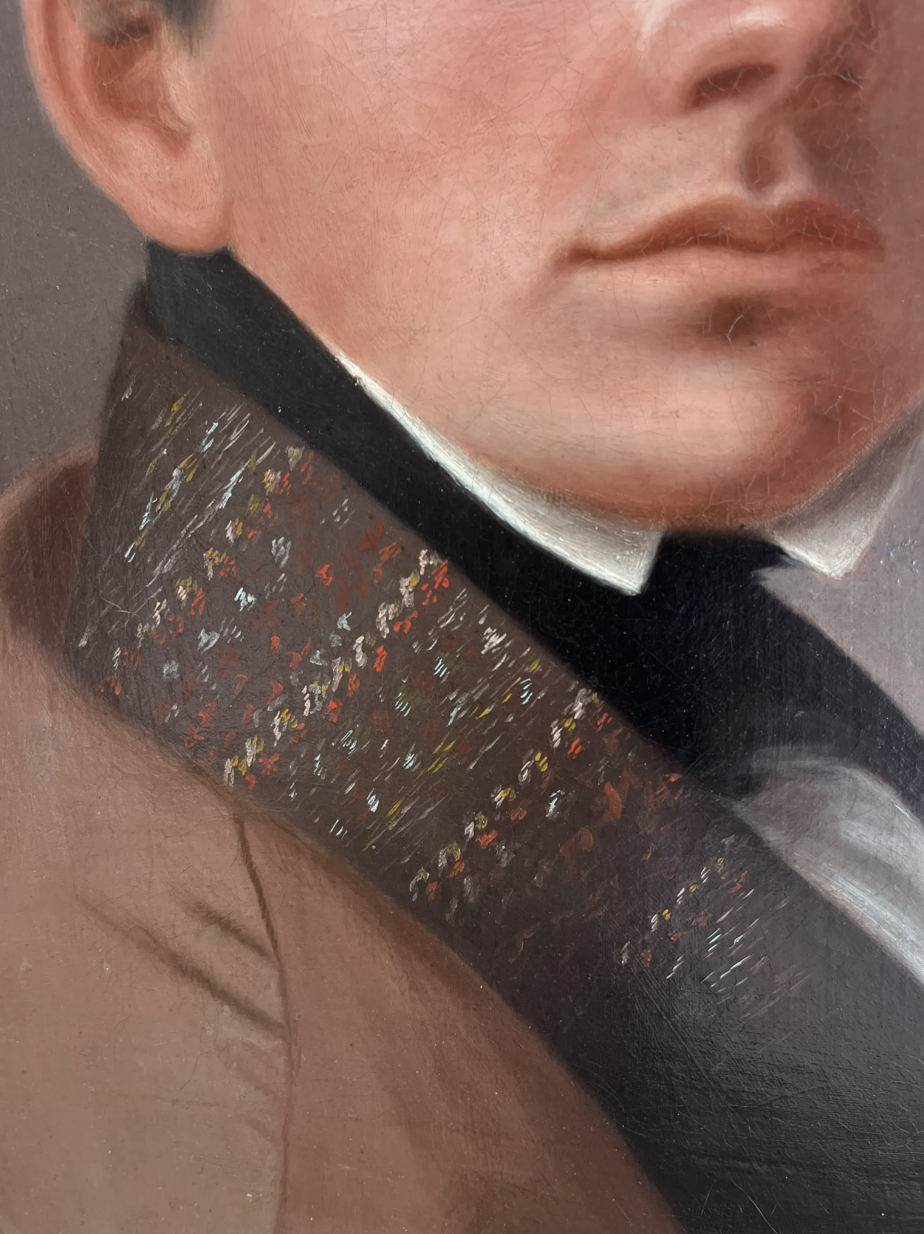
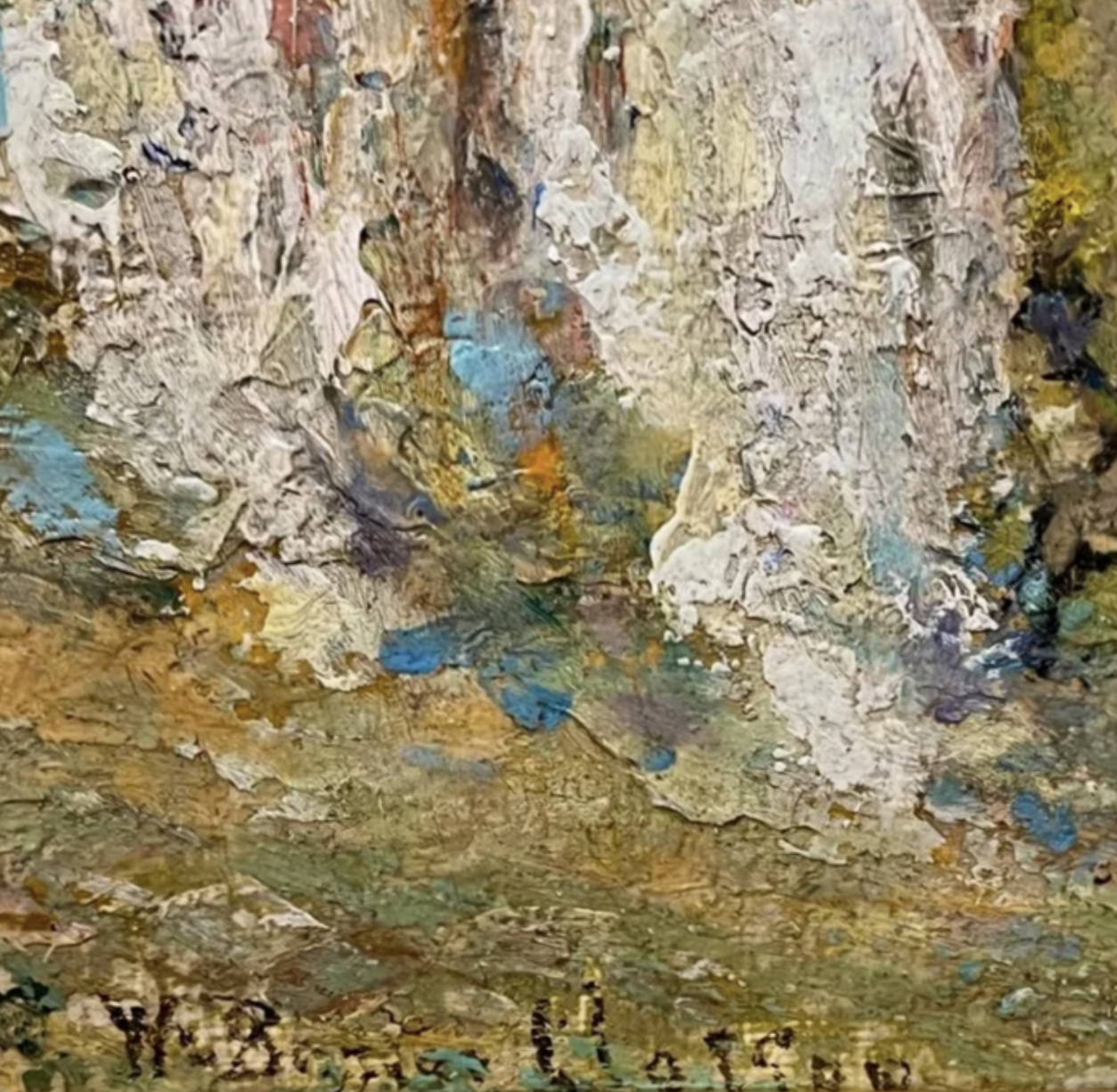
Executed with remarkable restraint, the painting avoids overt dramatization, instead relying on atmosphere, gesture, and carefully placed objects to convey its message. Signed lower right and preserved in excellent condition, this work exemplifies Edmonds’s ability to embed social commentary within scenes of everyday life, rewarding sustained looking with deeper historical and emotional resonance.
Artist: Francis William Edmunds
Year: 1860
Medium: Oil on Canvas
Dimensions: 17 × 17 inches
Style: Hudson River School, Figurative
Period: Mid 19th Century
Condition: Excellent
Description: This evocative interior scene by Francis William Edmonds functions as a quiet yet powerful meditation on slavery, secrecy, and moral resistance in 19th-century America. At first glance, the painting presents a humble domestic interior anchored by a hearth, a traditional symbol of warmth and safety. Yet Edmonds complicates this familiarity through subtle narrative tension. The grandmother and child, positioned close together, appear hesitant and alert, their body language and expressions suggesting a shared awareness of danger. Their gestures seem almost to caution the viewer to remain silent, implicating us in the secrecy of the moment.
Above them, the small lofted area in the upper right hints at hidden living quarters, possibly sheltering someone in flight. This architectural detail strongly suggests connections to the Underground Railroad, where ordinary homes became sites of extraordinary courage. Edmonds further heightens the symbolism through the deliberate focus on three small pebbles scattered on the floor, a seemingly insignificant detail that invites interpretation as coded markers or silent witnesses to movement and passage.
Executed with remarkable restraint, the painting avoids overt dramatization, instead relying on atmosphere, gesture, and carefully placed objects to convey its message. Signed lower right and preserved in excellent condition, this work exemplifies Edmonds’s ability to embed social commentary within scenes of everyday life, rewarding sustained looking with deeper historical and emotional resonance.

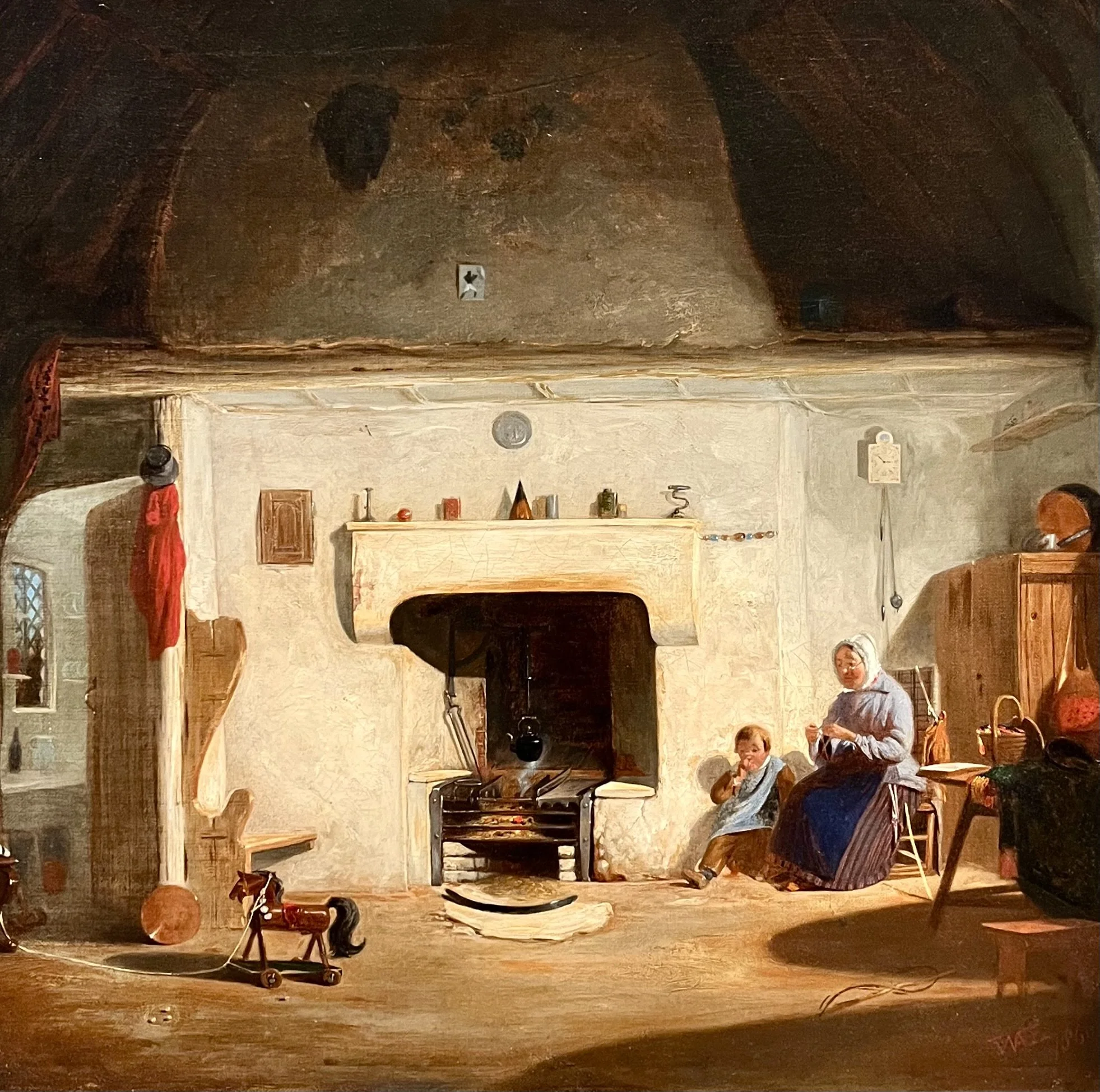 Image 1 of 7
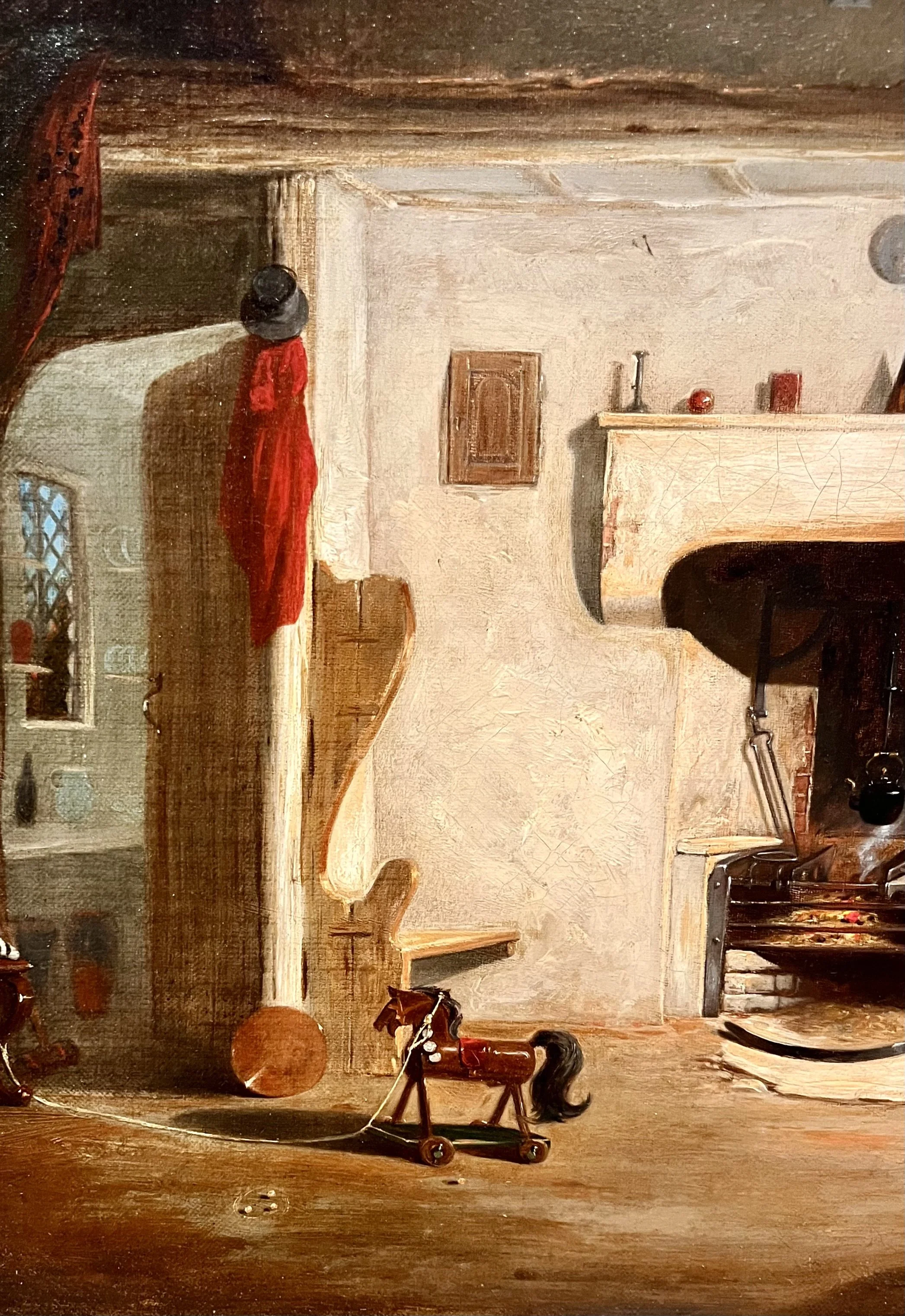 Image 2 of 7
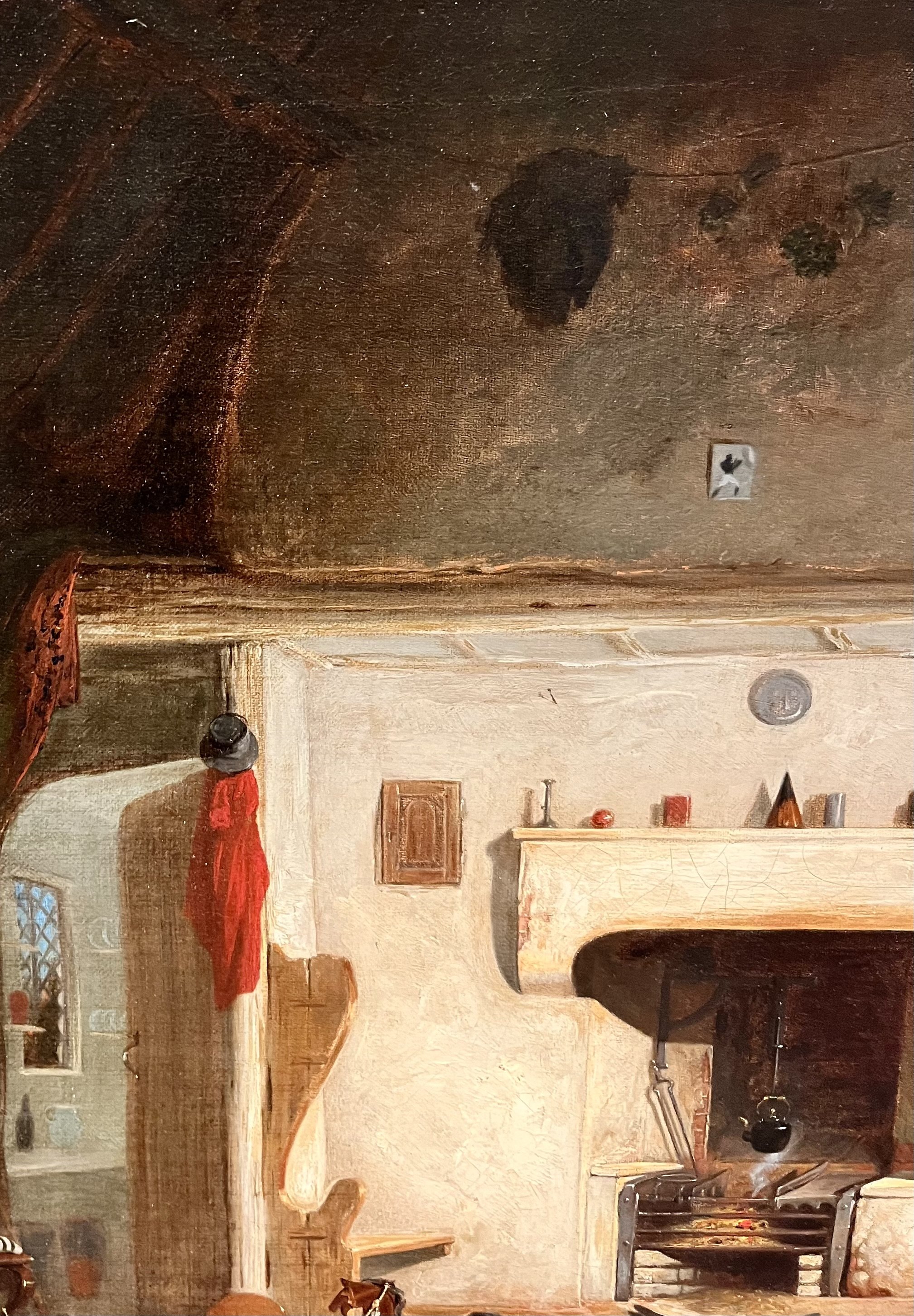 Image 3 of 7
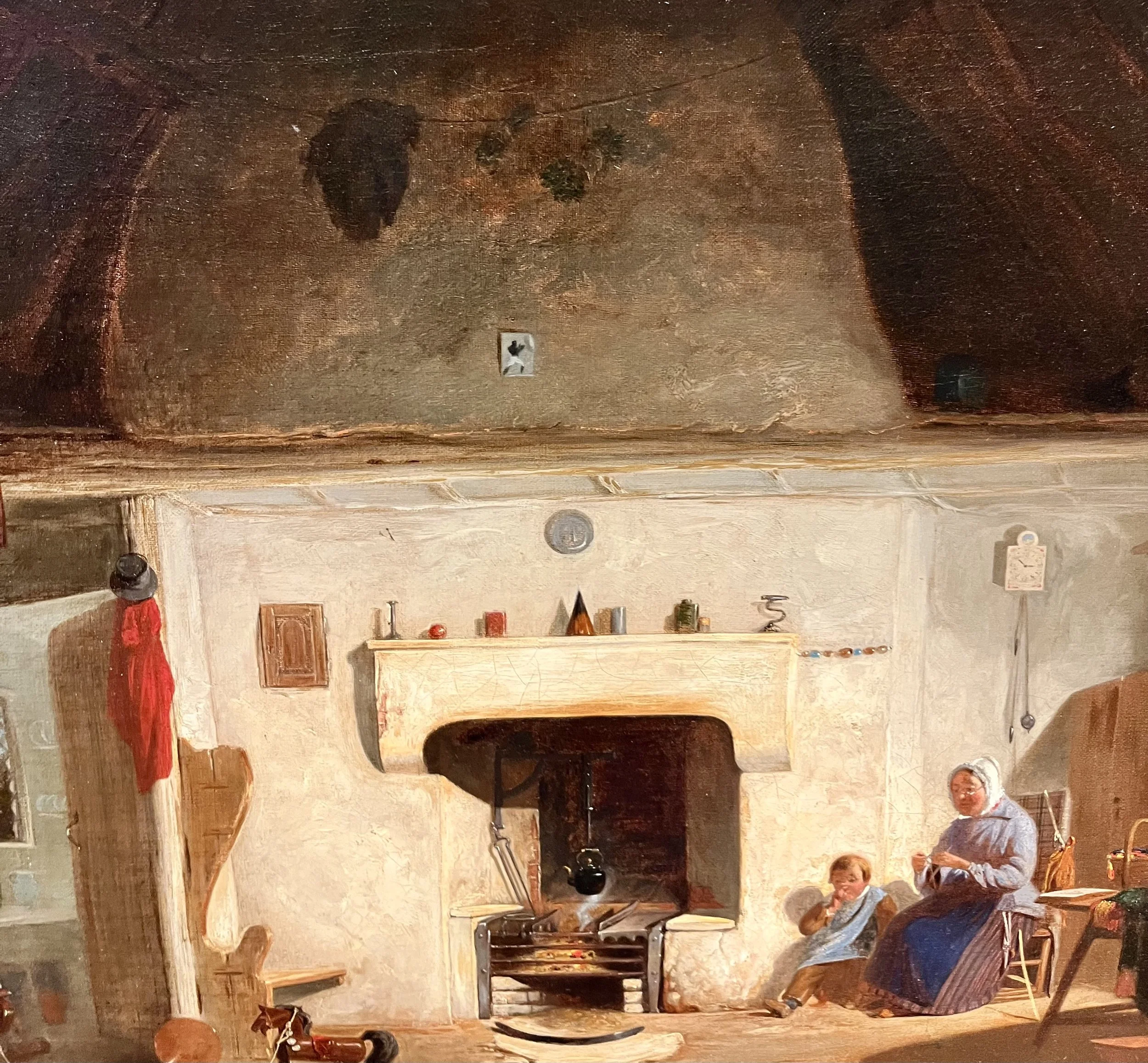 Image 4 of 7
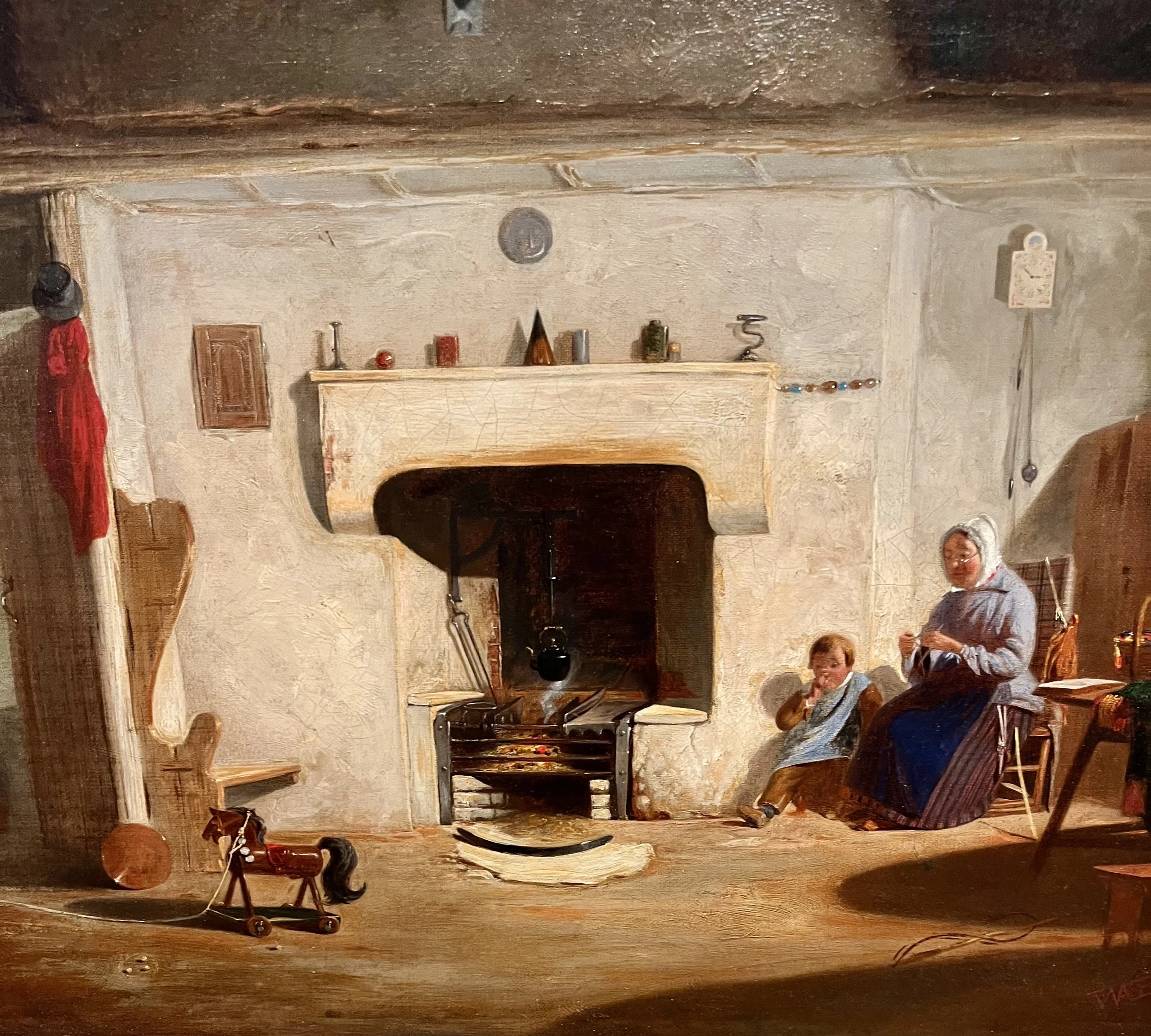 Image 5 of 7
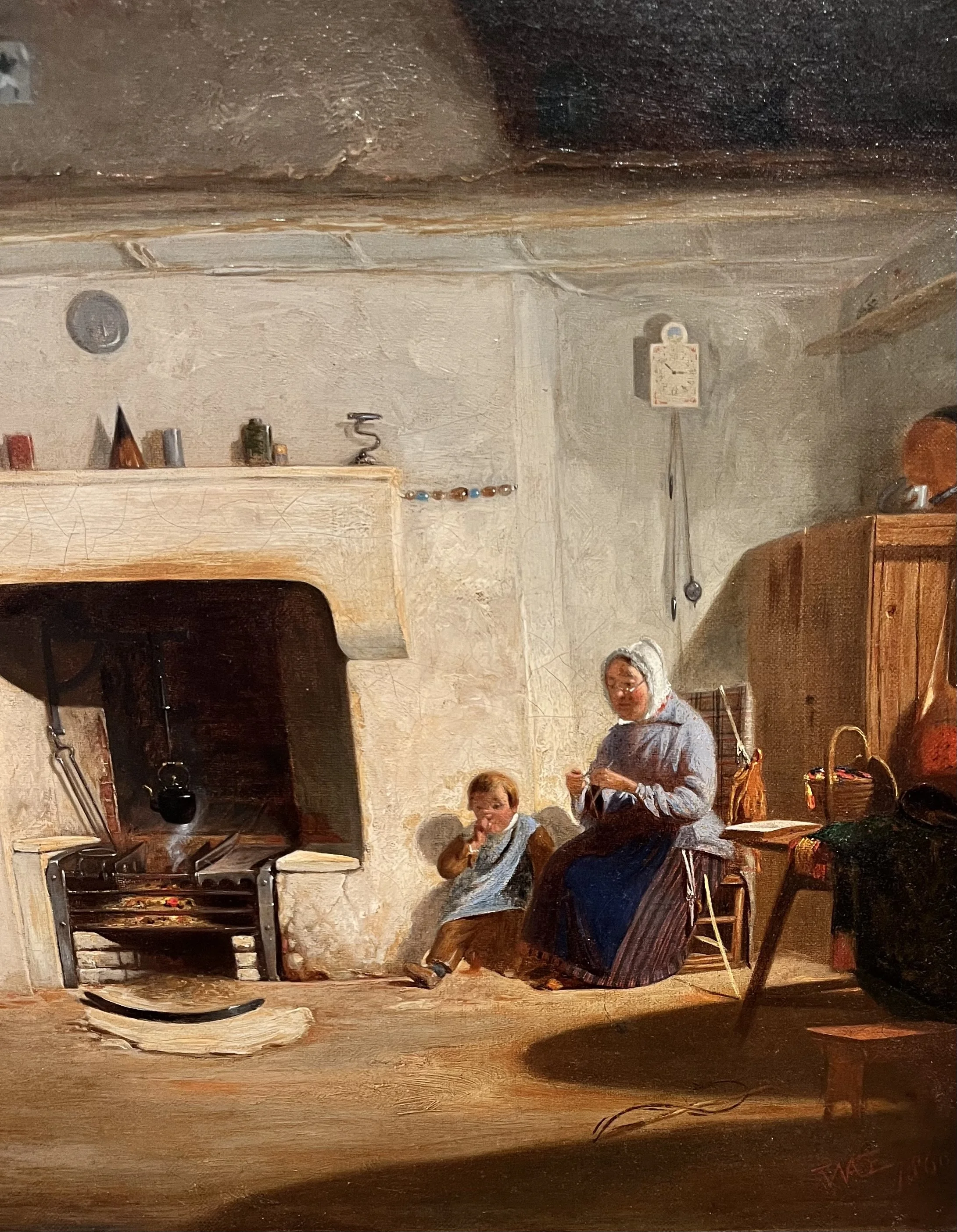 Image 6 of 7
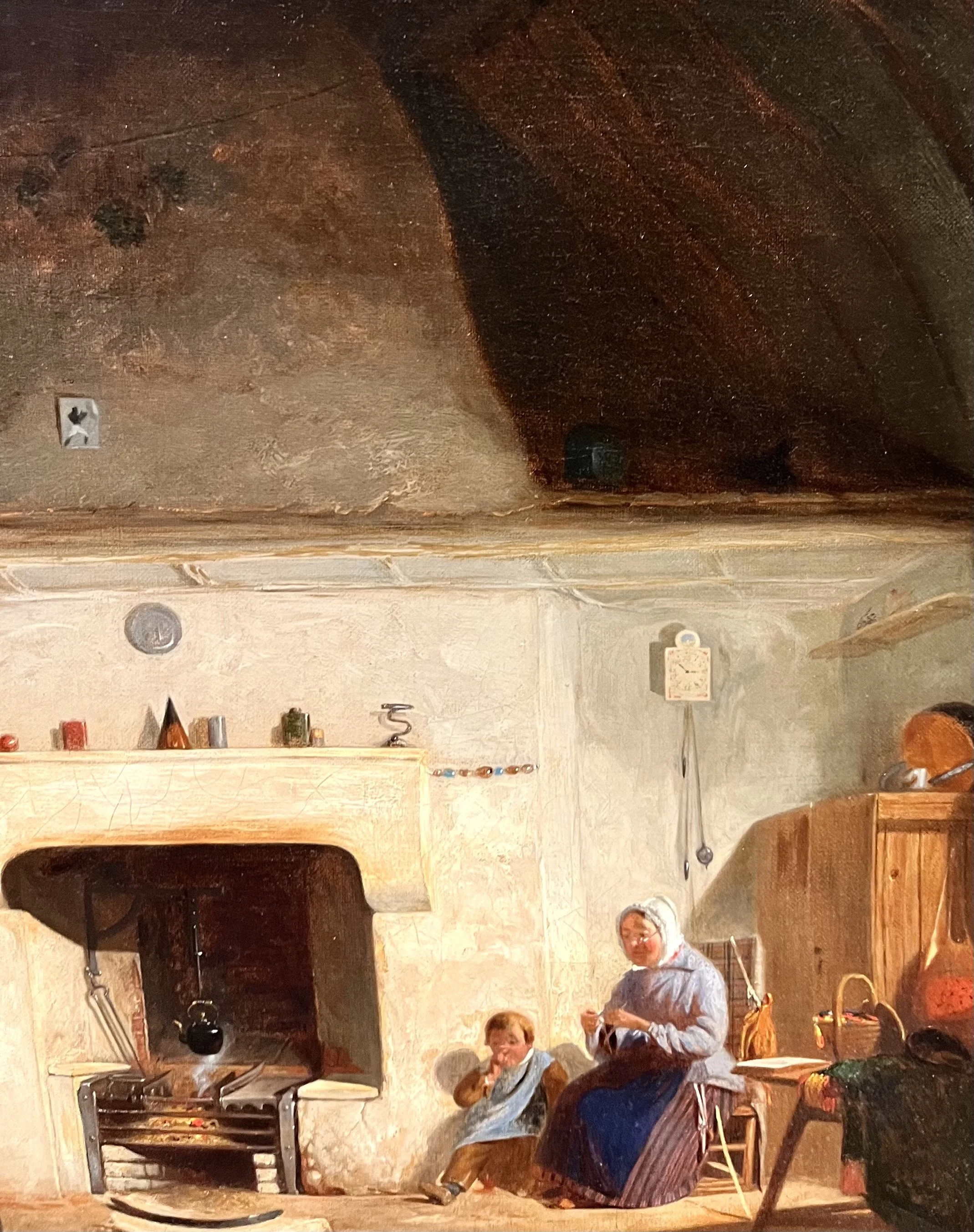 Image 7 of 7